



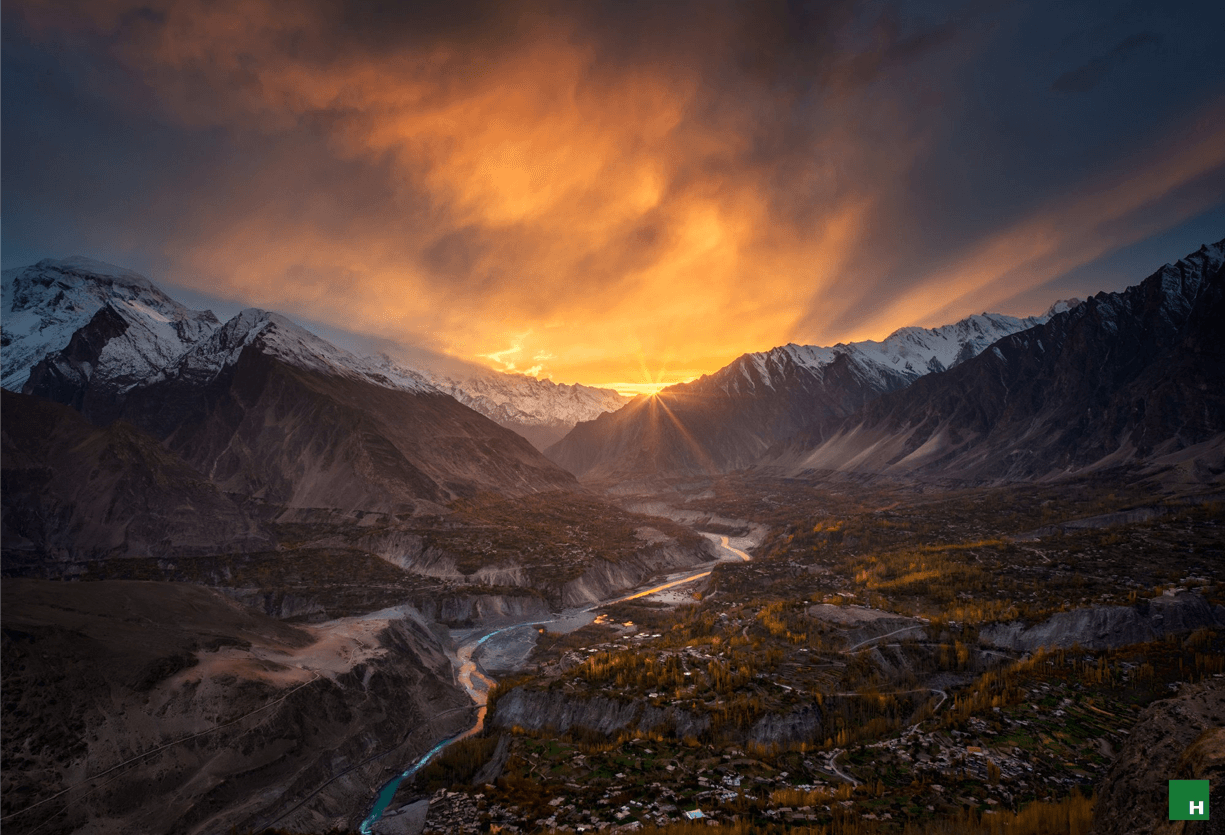
Pakistan is a land of diverse cultures and religions, and one of the most prominent communities that have made their mark on this country is the Sikh community. With a rich history and deep roots in the region, the Sikh community has a strong presence in Pakistan, especially in the northern region of Punjab. For the Sikh pilgrims, Pakistan is a hub of religious sites that hold immense spiritual and historical significance.
One of the most important sites for Sikh pilgrims is the birthplace of the founder of Sikhism, Guru Nanak Dev Ji, in the city of Nankana Sahib. The city, which is located near Lahore, is home to the historic Gurdwara Janam Asthan, a temple dedicated to Guru Nanak, and is considered one of the most sacred places in the world for Sikhs. This gurdwara was built on the spot where Guru Nanak was born, and it serves as a place of worship, as well as a museum showcasing the history of Sikhism.
Another important site for Sikh pilgrims is the city of Kartarpur, located in the province of Punjab in Pakistan. This city is home to the Gurdwara Darbar Sahib, which is considered one of the holiest places for Sikhs, and is said to be the final resting place of Guru Nanak Dev Ji. The gurdwara is open to visitors and is a popular destination for Sikh pilgrims from all over the world.
In addition to these two sites, there are several other gurdwaras in Pakistan that hold significant importance for the Sikh community. Some of these include the Gurdwara Beri Sahib in the city of Lahore, Gurdwara Panja Sahib in the city of Hasan Abdal, and Gurdwara Patti Sahib in the city of Rawalpindi. These gurdwaras serve as a testament to the rich history and cultural heritage of the Sikh community in Pakistan, and offer a glimpse into their spiritual beliefs and practices.
For Sikh pilgrims visiting Pakistan, there is also the opportunity to experience the local culture and hospitality of the region. From the bustling streets of Lahore to the serene countryside of Punjab, visitors can immerse themselves in the vibrant culture of Pakistan and learn about its rich history and heritage. Whether you are a devout Sikh or simply interested in exploring this unique and fascinating country, a pilgrimage to the religious sites of Pakistan is a journey that will leave a lasting impression
In conclusion, Pakistan is a hub of religious and cultural significance for the Sikh community, and a must-visit destination for any Sikh pilgrim. With its rich history, sacred gurdwaras, and vibrant culture, it is a journey that will offer both spiritual and cultural enrichment, and leave you with unforgettable memories that will last a lifetime.
You may also like
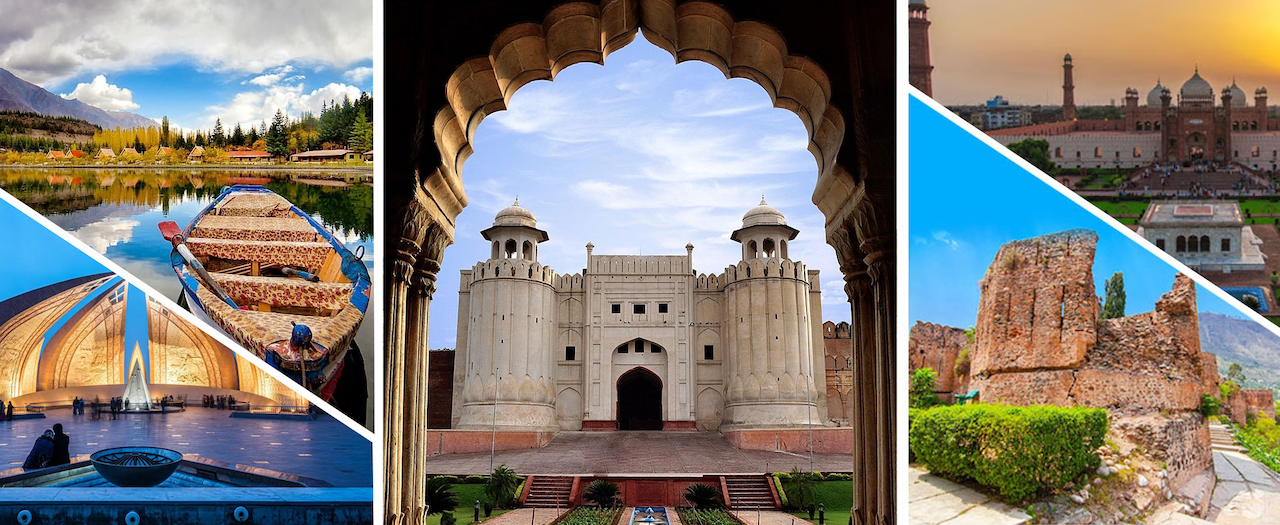
Exploring the Rich Flavors and Cultural Arts of Pakistan: An Epicurean Adventure
Pakistan is a country that is steeped in history, rich in culture, and full of vibrant and diverse communities. From its bustling cities to its remote and idyllic rural regions, Pakistan is a treasure trove of artistic and culinary delights. Whether you are looking for a place to indulge in world-class cuisine, immerse yourself in local culture, or simply take in the beauty of the natural landscape, Pakistan is the perfect destination for those seeking an unforgettable experience.
READ MORE
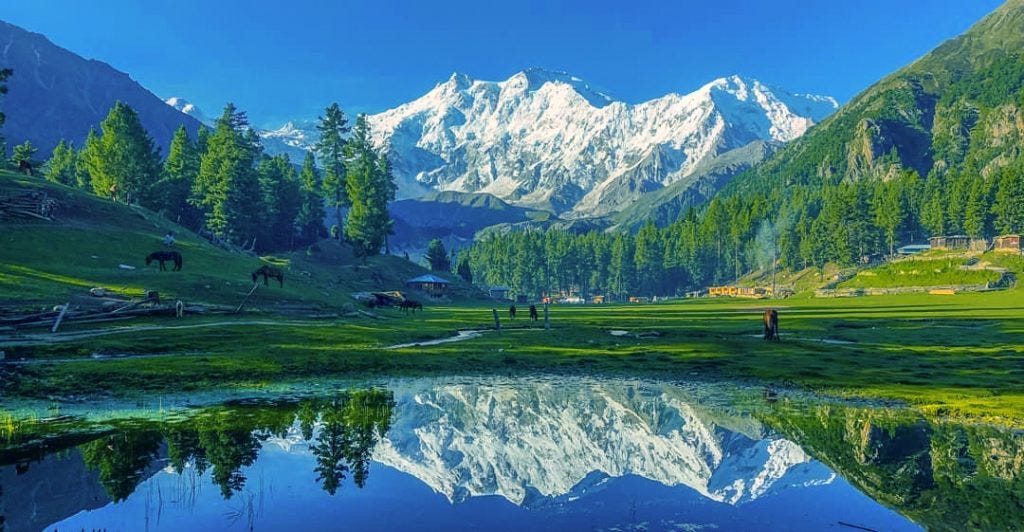
Wellness and Yoga Retreats in the Northern Areas of Pakistan: A Path to Physical, Mental and Spiritual Serenity
Nestled in the serene and breathtaking landscape of the Northern Areas of Pakistan, a new frontier in wellness and yoga has emerged. From the mighty peaks of the Himalayas and the towering Karakoram, to the rolling hills of the Hindu Kush, this region offers a unique and stunning backdrop for those seeking to deepen their physical, mental and spiritual practice. With its pristine natural beauty, secluded valleys and abundant wildlife, the Northern Areas of Pakistan provide the perfect setting for a rejuvenating and transformative retreat.
READ MORE
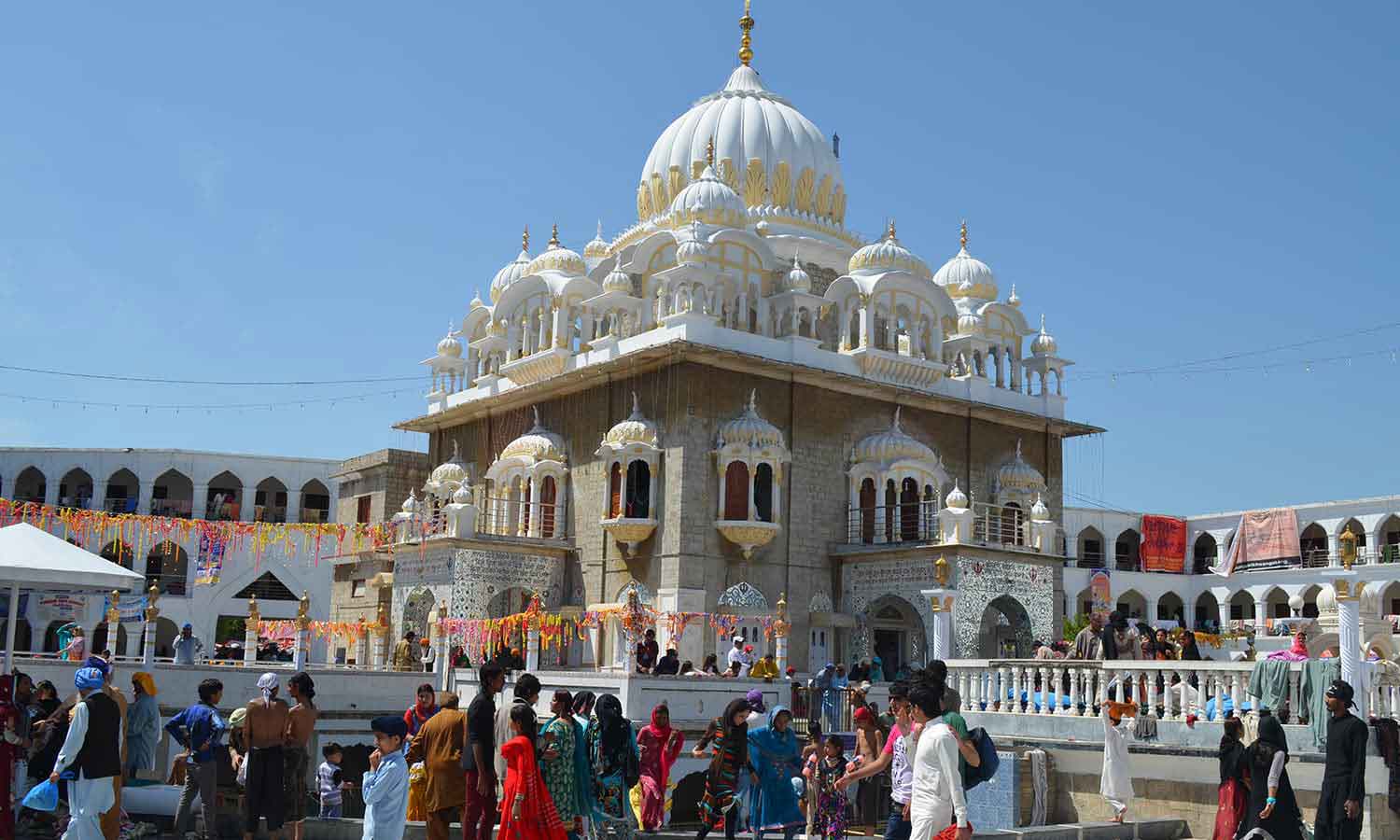
Discovering the Rich Heritage of Sikh Pilgrimage in Pakistan
Pakistan is a land of diverse cultures and religions, and one of the most prominent communities that have made their mark on this country is the Sikh community. With a rich history and deep roots in the region, the Sikh community has a strong presence in Pakistan, especially in the northern region of Punjab. For the Sikh pilgrims, Pakistan is a hub of religious sites that hold immense spiritual and historical significance.
READ MORE


From Hunza's hidden valleys to Chitral's ancient echoes, uncover Northern Pakistan's magic. Sustainable tours, unforgettable memories. Discover Facing NorthDTS: 10751
 info@facingnorthtravels.com
 +44 7435 782146
 +92 3367772152


